The Bay Is Winning Lately. Here's What You May Have Missed.
The Bay Is Winning Lately. Here's What You May Have Missed.
The Bay Area has a reputation problem — not because it's undeserved, but because it's incomplete. The tech narrative is loud. The Super Bowl brought the world here and made it louder. But underneath the AI billboards on 101 and the startup chatter was something else happening. The kind of Bay story that doesn't make the sponsored feeds.
Depending on who you are, you either grew up with this place or you discovered it. Either way, you probably know the version the cameras point at. Lately, the version worth paying attention to has been impossible to miss, if you knew where to look.
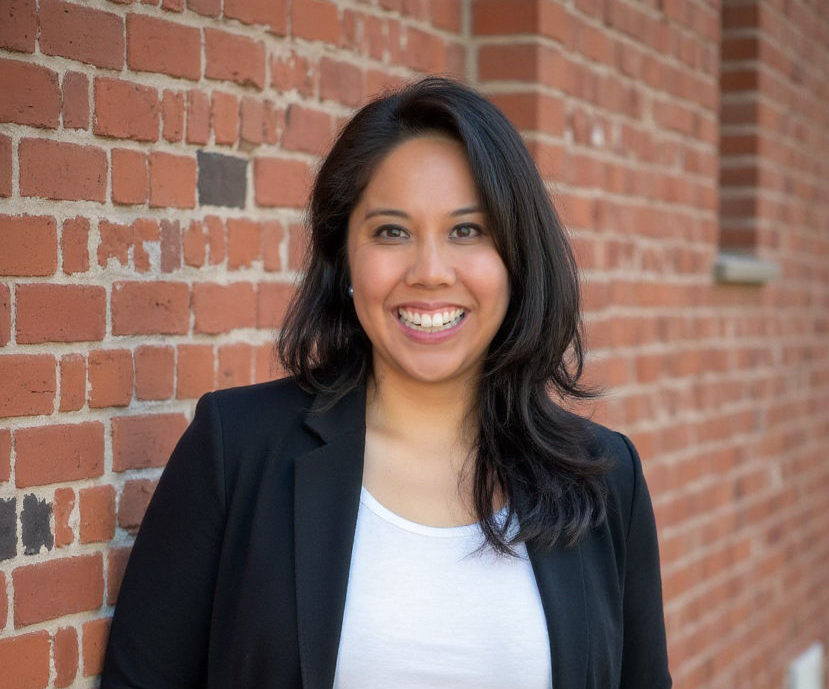
I'm one of the lucky people who was born and raised here. From the city, which means yes, I will ask which high school you went to. Here's what I've been watching.
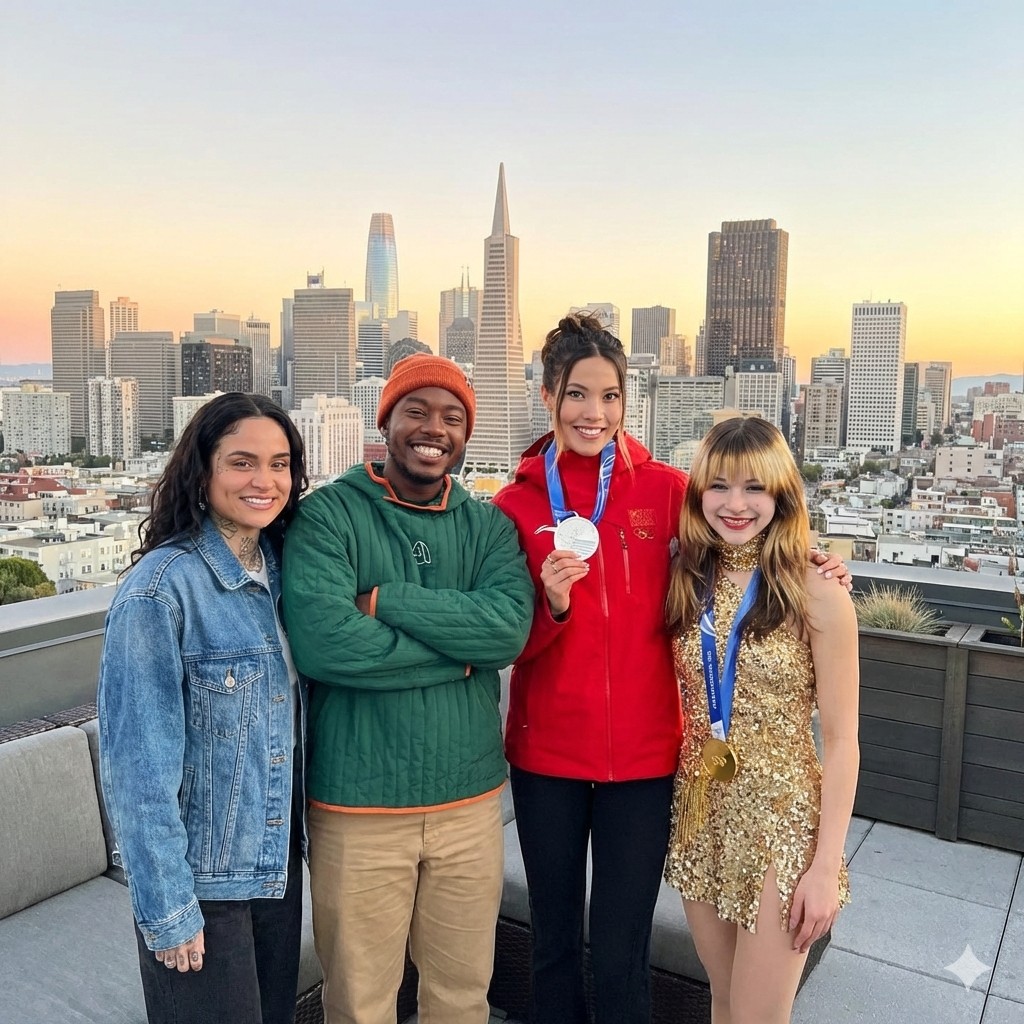 San Francisco skyline as backdrop. Two Olympic medals. One Grammy. All Bay.
What's Been Happening
SF educators went on strike, the first SFUSD strike in 47 years, and won a historic $183 million tentative deal. The agreement came after a 13-hour overnight bargaining session and a week without school for 49,000 students. The central fight was health care — teachers were paying up to $1,500 out of pocket for family coverage. The deal gives them fully employer-paid health care on the district's lowest-rate Kaiser plan. Wages went up. Special education workloads got addressed. Sanctuary and housing protections for district families were written in. That's not a headline. That's 47 years of patience finally breaking.
The win isn't tidy. The district was already planning more than $100 million in cuts before the ink was dry, and school closures remain on the table. The union's position is that the budget problems are management problems, not a funding shortage. That argument is still unresolved. What isn't unresolved is that educators held the line and came out the other side.
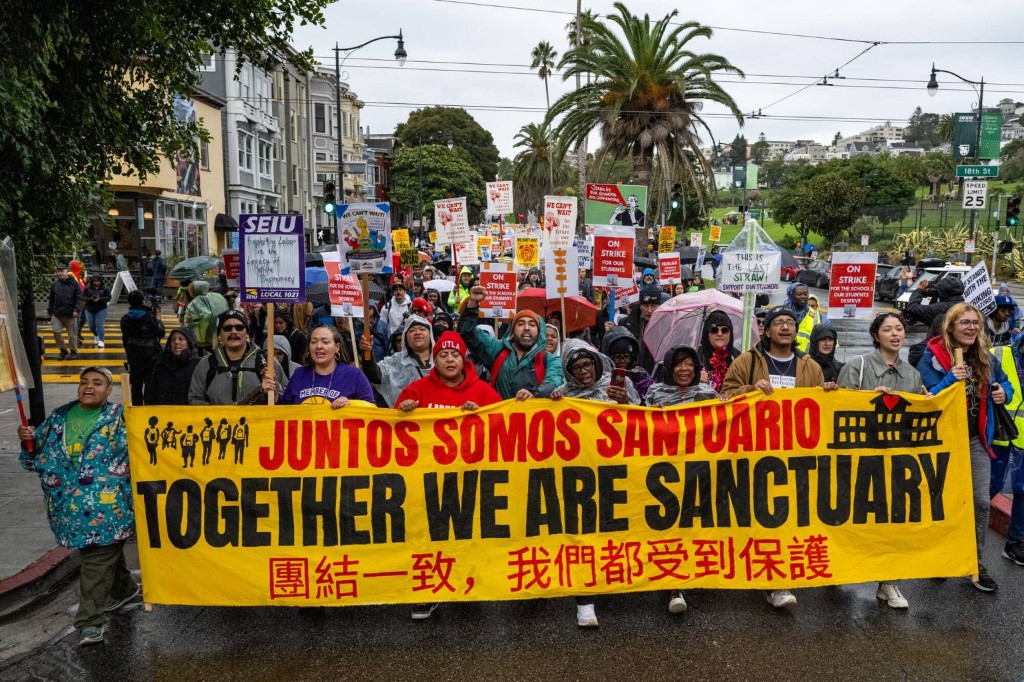 The banner said it all. Three languages, one message. The strike settlement included sanctuary and housing protections for district families — not just a pay deal.
Kehlani, who grew up in Oakland and attended the Oakland School for the Arts before transferring to Berkeley High, took home two Grammys for "Folded" — Best R&B Song and Best R&B Performance. It was their first Billboard Top 10. Their first Grammy win. Ten years after their first nomination. They had built a following on SoundCloud and performed in a band that reached the finals of America's Got Talent before any deal was in place — and for a decade, none of that translated into the industry's highest recognition. "Folded" did.
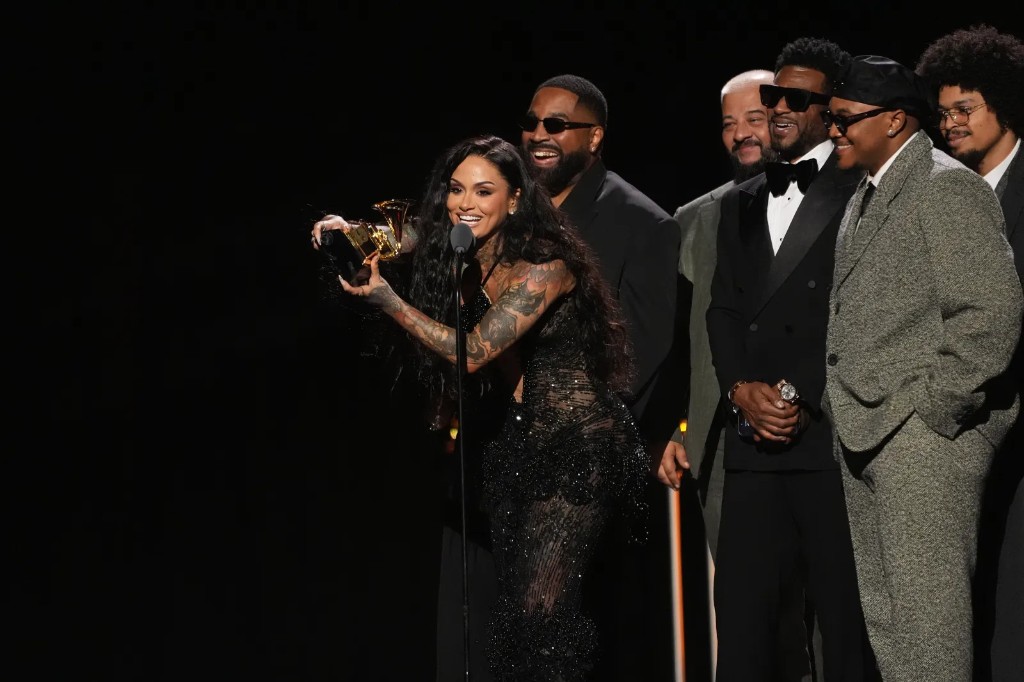 Ten years after their first nomination. First Billboard Top 10. First Grammy win. Then they walked to the mic and said what needed to be said.
Then they stood at the mic at the 68th Grammy Awards and called out ICE. "I hope everybody's inspired to join together as a community of artists and speak out against what's going on," they said, before closing with two words that cut through the room. They were the first artist that night to say it out loud. Others followed.
A week later, Kehlani headlined the Super Bowl block party at San Jose City Hall — Grammy just won, Bay still home. They stopped mid-set to welcome the 15,000 people who had come in from everywhere else. "I'm always so grateful to be here when massive events get to happen in the Bay, and all these people come, and we get to host them, and they get to see how magical we are," they said. "Because for so long, only we knew how magical we were. So, welcome."
That's not a press run. That's someone who actually means it.
LaRussell went from backyard shows in Vallejo, throwing his own events and building a fanbase face to face, all the way to the Super Bowl stage. He built a system: release music, show up in his city, let the work and the community carry it. The "I'm From The Bay" video says everything about how he moves — filmed at high schools and middle schools across the Bay, with Pittsburg High's 200-person marching band eventually joining him at the Super Bowl pep rally. That's not a marketing strategy. That's someone who actually means it.
The business model matched the ethos. His album Something's In The Water was released pay-what-you-want, floor price of $1, directly to fans with no streaming and no label. In 24 hours he made $57,000. Kyrie Irving paid $11,001. Snoop Dogg paid $2,500. Raphael Saadiq paid $10,000. LaRussell redirected Kyrie's payment — the largest single purchase — back into a community relief fund for Bay Area residents struggling with rent, bills, and groceries. When he signed with Roc Nation, he kept his masters. He didn't sell out to get here. He built so much leverage that the industry had to meet him on his terms.
And then there were the athletes.
Oakland's Alysa Liu won gold in individual women's figure skating at the Milan Cortina Olympics, the first American woman to win that medal since Sarah Hughes in 2002 — 24 years. She started skating at 5 at the Oakland Ice Center, became the youngest U.S. women's national champion at 13, then stepped away from the sport at 16 because she wasn't in control of her own career. The music, the costumes, the choreography — none of it was really hers. She came back in 2024 on her own terms and won. When the scores came in, the Oakland Ice Center — her home rink, her championship banner on the wall — erupted with a watch party that had gathered to see one of their own make history. BART congratulated their regular rider. She takes public transit to training. She's 20 years old and she's just Alysa from Oakland.
Her post-win quote said it all: "Nothing compares to the journey. This is a physical object." She held up the medal. That's not a press conference answer. That's someone who actually knows what they're talking about.
San Francisco's Eileen Gu left Milan with three silver medals — slopestyle, big air, and halfpipe — and the title of most decorated female freeskier in Olympic history. Born and raised in San Francisco to an American father and a Chinese mother, she grew up fluent in Mandarin and closely connected to both cultures, and has competed for China since 2019. The decision made her a lightning rod. She's addressed it in her own words, in her own time, and she's stopped explaining herself to people who've already decided what to think.
When a reporter asked after her second silver whether she saw her results as "two golds lost," she didn't blink: "I'm the most decorated female freeskier in history. I think that's an answer in and of itself." Then she kept going: "Winning a medal at the Olympics is a life-changing experience for every athlete. Doing it five times is exponentially harder, because every medal is equally hard for me, but everybody else's expectations rise, right? The two medals lost situation — I think is kind of a ridiculous perspective to take." Then she went and got a third silver in halfpipe. Fully unbothered, completely herself.
The Bay DNA
What ties all of them together isn't just geography or timing. To understand it, you have to go back further than this month.
This land belonged to the Ohlone people — including the Muwekma Ohlone of the East Bay — for over 10,000 years before anyone else arrived. The Spanish came in 1769 with missionaries and soldiers, forced them into the mission system, stripped them of their language and land, and called it civilization. The Ohlone never got to choose who came next.
Neither did anyone who followed. The Gold Rush brought the world here. Chinese miners arrived by the tens of thousands, worked the claims others abandoned, and built San Francisco's Chinatown from the ground up. The state's response was to tax them, bar them from testifying in court, and eventually pass the Chinese Exclusion Act.
A century later, World War II pulled another wave. Black families from Louisiana, Texas, Arkansas, and Mississippi came to work the Kaiser shipyards in Richmond and Oakland, drawn by federal jobs that finally had to open their doors. Oakland's Black population grew tenfold in a single decade. When the war ended and the shipyards closed, they were the last hired and first fired — then redlined into neighborhoods the rest of the city was designed to wall off.
West Oakland's 7th Street became what people called the "Harlem of the West" — jazz clubs like Esther's Orbit Room alongside pharmacies, barbershops, and Black-owned banks, all connected by the Key System streetcar. A thriving cultural corridor that the system never planned for and couldn't contain. Then urban renewal and freeway expansion dismantled it. When BART came through in the 1960s and 70s, the decision was made to run the tracks elevated through West Oakland's 7th Street corridor — above ground, displacing families and dividing the neighborhood — while wealthier areas like Berkeley and San Francisco got their stations underground. The community sued to stop the I-980 freeway demolition and held it off for years. They organized, held the line, and kept the story alive. That pattern — community building something remarkable, then having to fight just to keep it — runs through all of it.
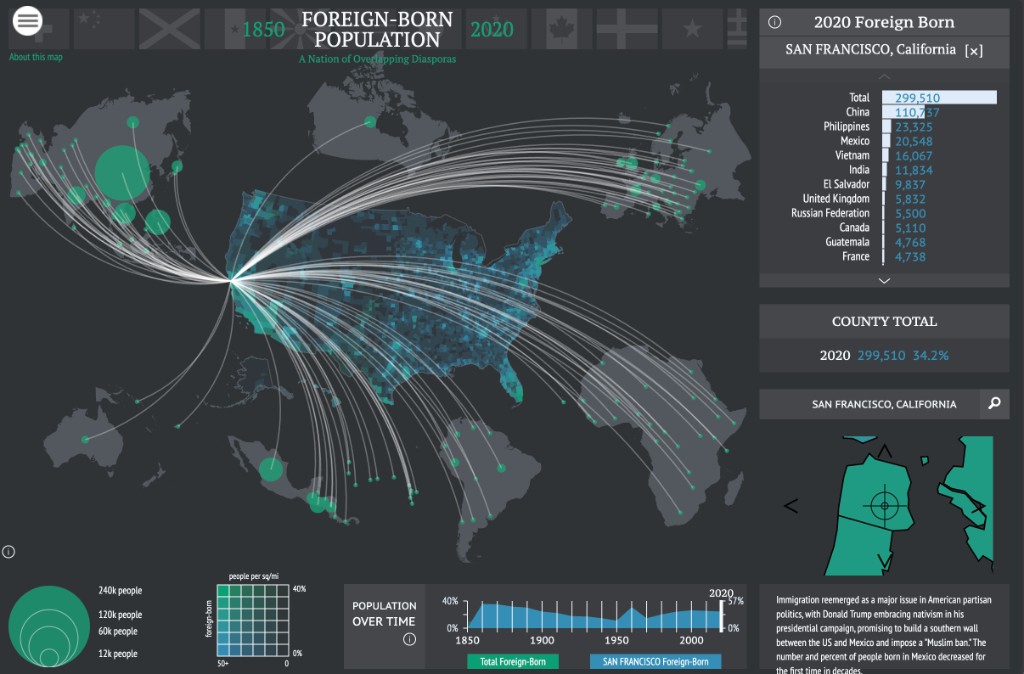 34.2% of San Francisco is foreign-born. The Philippines is the second-largest source country, after China. This isn't recent. It's the whole story.
From the 1950s onward, Filipinos, Vietnamese, Salvadorans, Guatemalans, Afghans, and immigrants from across the Pacific, Latin America, and beyond kept arriving — not because the Bay rolled out a welcome mat, but because the draw was real, and because the communities already here made space. Many Filipino immigrants came first as farmworkers and laborers in the Central Valley — part of the wave of manongs who arrived in the 1920s and 30s when the Philippines was a U.S. territory, working the fields of Stockton, Delano, and Salinas, and helping build the farmworker movement that would eventually become the United Farm Workers. Over generations, that labor became skilled work, small businesses, homeownership, and eventually the engineers, teachers, and artists who define the Bay today. San Francisco's SoMa neighborhood still carries that lineage. SOMA Pilipinas is a state-recognized Cultural District built by communities that organized, resisted urban renewal, and refused to be erased. The Bayanihan Equity Center has been doing that work since 1999 — serving Filipino seniors, adults with disabilities, and families in the languages they actually speak: Tagalog, Ilocano, Bisaya, Kapampangan, and more. In a city that moves fast and skews young, where every tech cycle reshapes who gets to stay and who gets priced out, BEC holds space for the elders, making sure they have food, housing support, and someone who speaks their language when they need help navigating a system that wasn't designed for them. I serve as board president. When I write about the Bay producing greatness from tension, this is part of what I mean.
That's the tension that runs through all of it. Every rush — gold, code, biotech, AI — brings new people chasing the next big thing. And every time, the people who were already here, who built the culture and held the community together, have to fight just to stay. The Bay doesn't produce greatness despite this tension. It produces it because of it. The artists who build without permission, the workers who hold the line, the athletes who come back on their own terms — they're not anomalies. They're the latest chapter in a very long story about who gets to claim this place, and what it costs to stay.
The Bigger Picture
There's a popular saying on t-shirts here: "I was raised here. You flew here." It's a callout. It's also an invitation to look past the sponsored version of this place and see what's actually happening in the streets, the classrooms, the backyard shows, and on the podiums.
The real story lately isn't which startups are funding the next thing. It's the people who claim this place as home and how they keep showing up, whether or not the cameras are pointed at them. The Bay has always rewarded independence and community. We don't always get the mic. Lately, we have. And now you know.